Finding Makers Worth Knowing in a Noisy Online World
Finding real handmade work online can feel hard. We scroll past post after post, all with the same soft light, the same buzzwords, the same promise of being special. After a while, it all blends together and the real people doing the real work get buried in the noise.
If we want to find artisans who actually make what they sell, we have to look past pretty photos and quick captions. We have to listen for story, place, and process. We have to notice when something carries the mark of a person, not a warehouse.
That is the heart of what we care about at Main Street Collective, a curated home for Southern handmade goods. Late spring in the South is when markets pop up under oak trees, festivals fill old town squares, and porch visits stretch into the evening. It is the perfect time to slow down and pay attention to who actually made the things we bring into our homes.
What Makes an Artisan Worth Seeking Out
Not everyone who sells something "handmade-style" is a true maker. Some people are just repeating a look they saw online. Others are doing quiet, daily work that starts with raw material and ends with something that holds a little bit of their life.
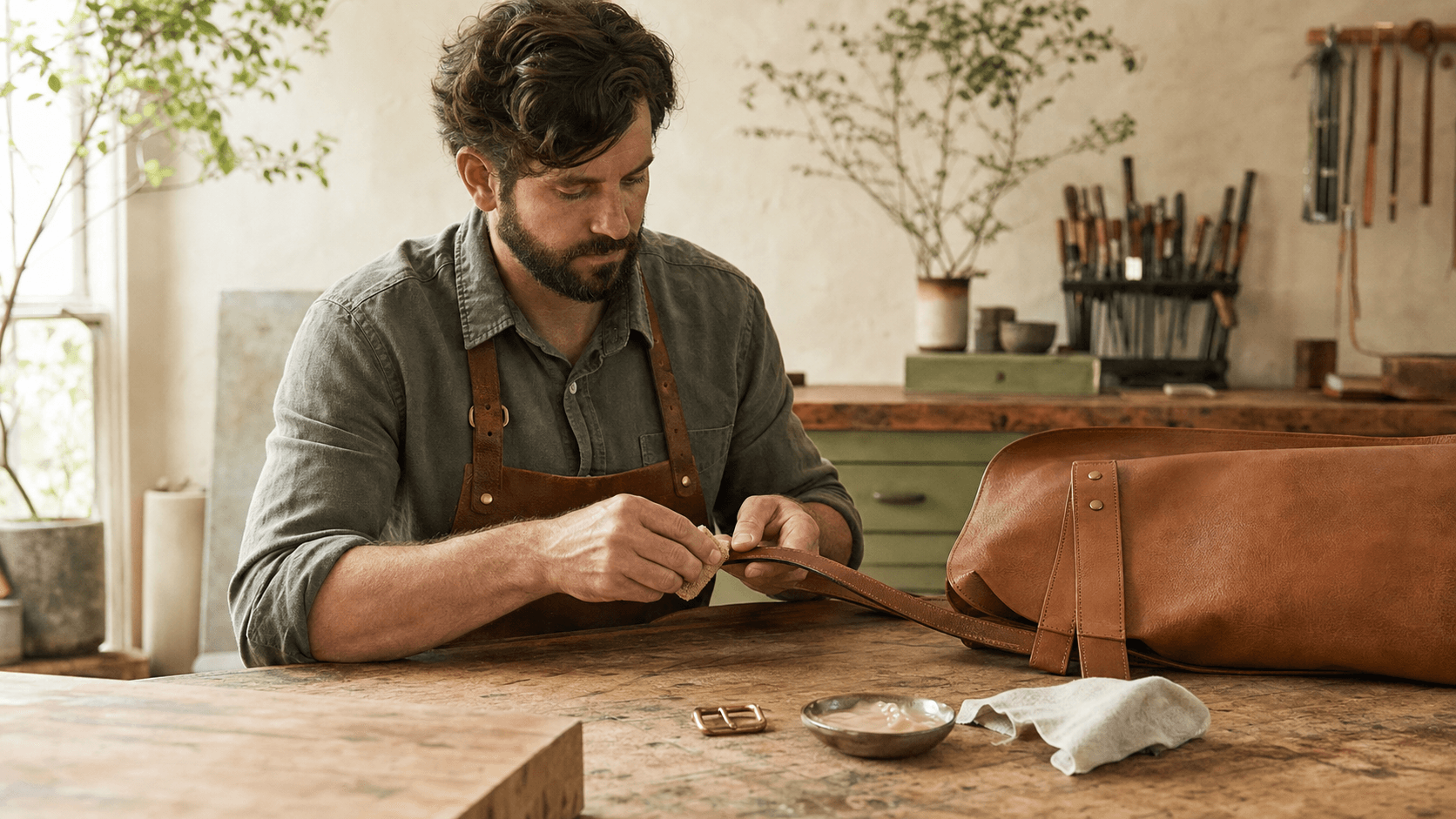
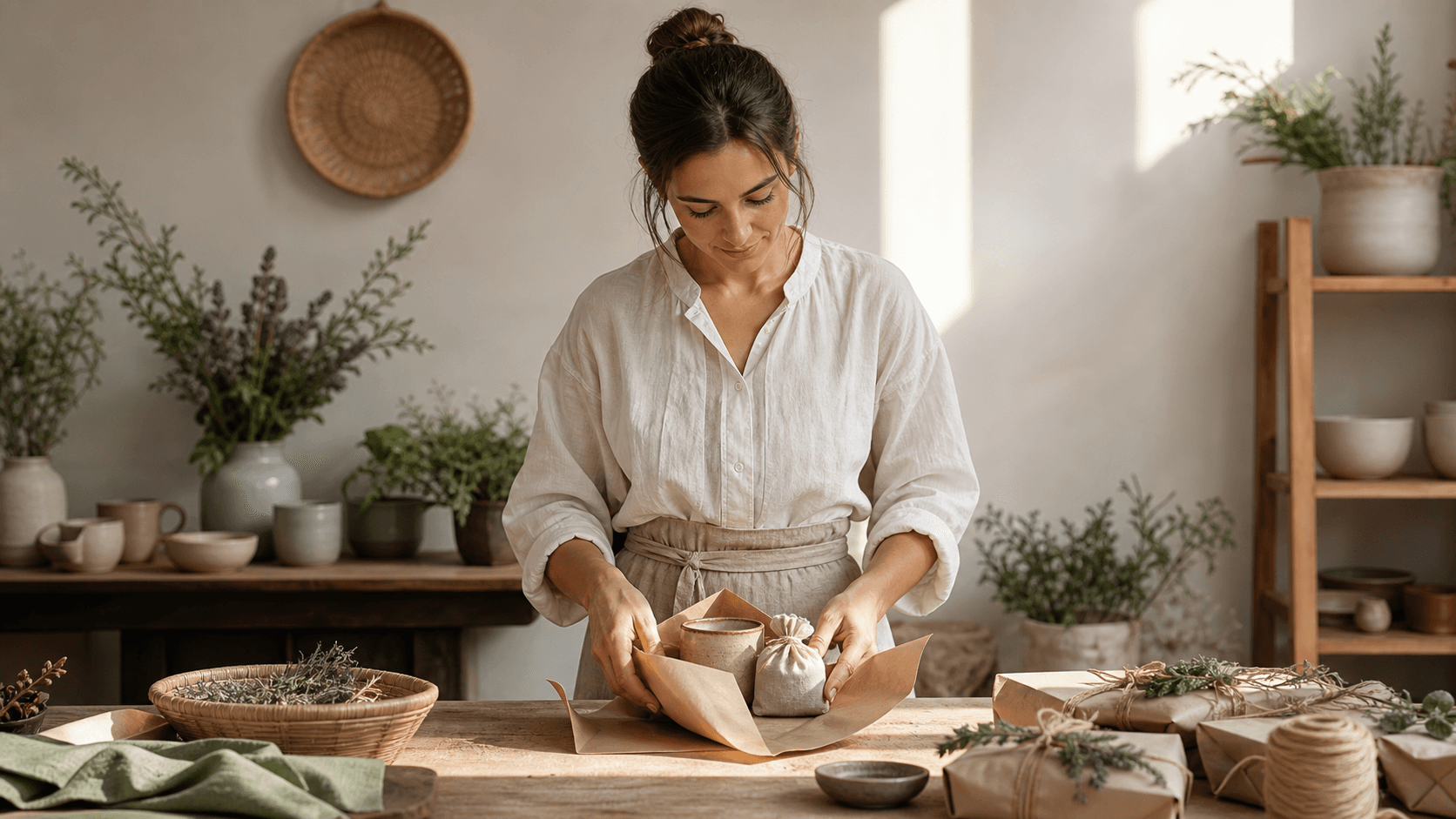
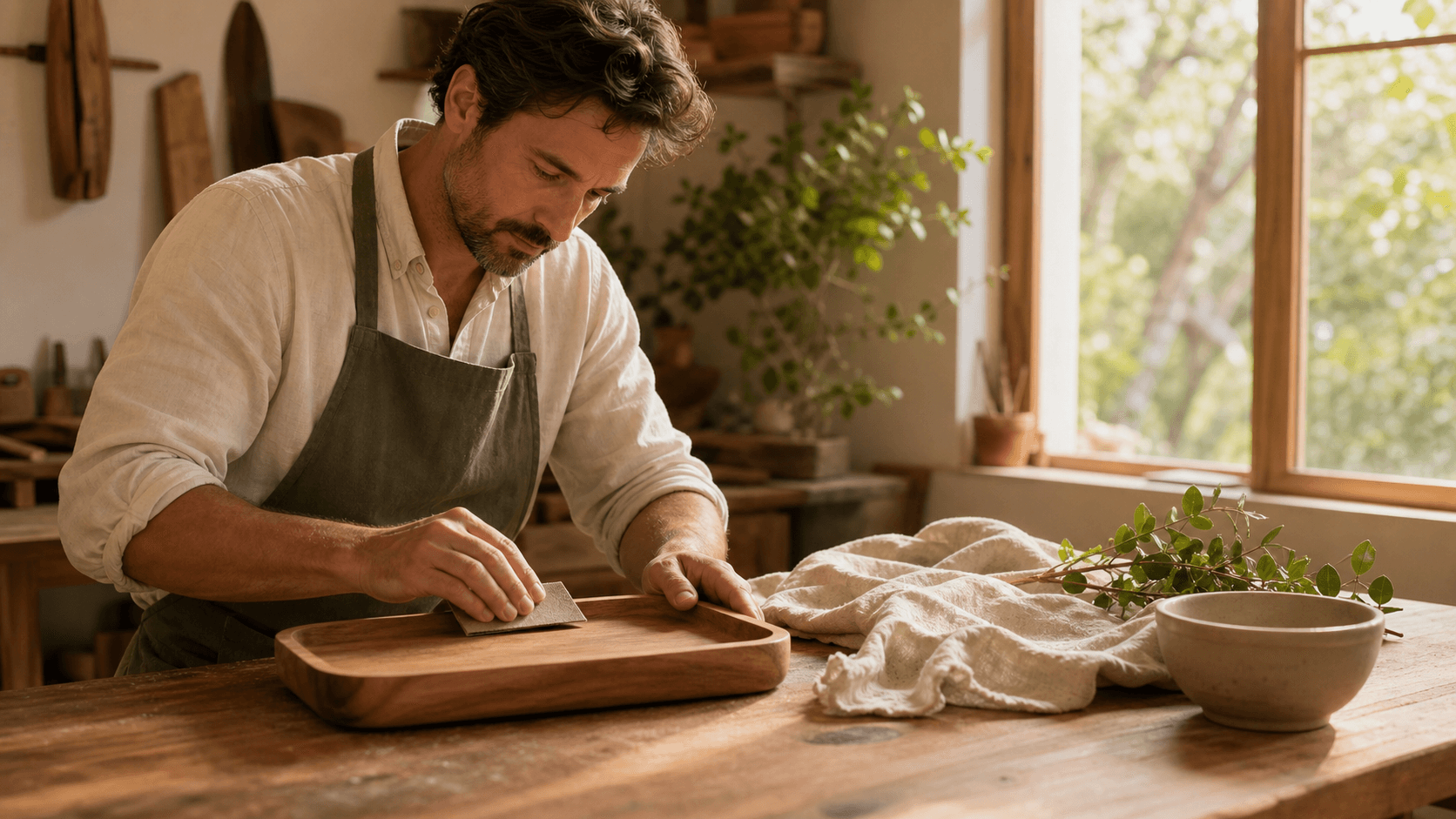
When we talk about an artisan worth seeking out, we mean someone whose name and hands are in the work. A person who can say, in simple detail, how a piece comes together. You can usually tell by listening for a few things:
- They know where their materials come from
- They can tell you how they first learned their craft
- They can point to the part of the process they refuse to rush
- They talk about making in seasons, not just in product drops
Small-batch is not just a trendy word for them; it is a rhythm. It might mean throwing clay in the cool of the morning, pouring candles after the kids are asleep, or turning wood only when the humidity is right. Their pace does not start with an algorithm, it starts with what the craft needs.
Worth knowing does not always mean viral or pretty on a grid. It means grounded. It means if you went to their town, someone there would nod and say, "Oh yes, they do beautiful work." It means the craft is tied to an actual place and community, not just a screen.
How to Find Artisans Beyond the Algorithm
If we want to truly find artisans, sometimes we have to step off the front page of search results and walk down smaller, quieter paths. The good news is those paths are often more human and more fun.
Here are a few simple ways to start:
- Ask your favorite local shop whose work they love and why
- When you find one potter you like, see who they trade with or share online
- Read product descriptions instead of only skimming photos
- Notice when a maker mentions a specific town, river, or street
Watch for clues that say "real person" instead of "generic brand." First names matter. Workshop photos that are a little imperfect often tell more truth than polished studio shots. We like to see mentions of actual places across Mississippi and the South, not just broad phrases like "Southern inspired."
Spaces like Main Street Collective do some of this quiet sorting ahead of time. We spend our days learning who is small-batch, who is making in their own studio, who is holding onto older skills. That way, when you find artisans through a curated home like ours, you can relax a bit, knowing there are real hands and real main streets behind the work, not anonymous factories or resellers.
Reading the Story Behind Southern Handmade Goods
Every honest maker leaves a trail of small details. You will hear about a grandparent who baked a certain way, a high school art teacher who pushed them to try, a church bazaar table that felt like a big step, or the main street that made them feel rooted. These are not big, polished stories. They are simple, specific lines that help you feel the person.
When you are trying to read a maker's presence online, look at:
- Their about page, if they have one
- How they write captions
- The kinds of photos they share
The words should feel like they could only belong to them. Do they name real places in Mississippi and the South, like a certain county, a small town, a nearby river? Do they talk about actual challenges and changes, instead of only shining slogans?
If you get the chance to speak with them, ask gentle questions. Things like, "Where do you work?" "How long does each piece take?" or "What changed in your work this past year?" A real artisan usually brightens when you ask about process. They might get into the clay body they like, the type of wood they search for, or how summer heat shifts how they pour.
Paying this kind of attention builds trust. Suddenly you are not just buying a candle, mug, or cutting board. You are stepping into a small, ongoing relationship with a person and their livelihood. You start to care if the next season goes well for them.
Choosing Fewer Things, but Choosing Them Well
Once we start to truly find artisans, it can be tempting to want one of everything. But part of honoring makers is slowing down and choosing pieces we will use, notice, and talk about. Fewer things, more meaning.
Southern handmade goods often carry a clear sense of place. You might see:
- Magnolia-scented soaps tied to a real yard or garden
- Woodwork where the grain feels like the trees you pass on country roads
- Textiles colored with plants that grow along local creeks
Each piece becomes a small reminder to live a bit slower. Late spring and early summer bring weddings, housewarmings, porch suppers, and long weekends with family. Instead of rushing for last-minute gifts, this is a good time to start a mental list of makers whose work you want to return to during the year.
Being intentional does not have to be hard. It can be as simple as asking yourself three questions before you buy: Who made this? Where do they live? Does their story sit right with me? If the answer feels strong and clear, you are probably on the right track.
Keeping Real Makers at the Center of Your Life
The most meaningful way to keep makers at the center of your life is to choose one or two whose work really speaks to you and stay with them. Follow them through seasons, new ideas, slow months, and busy ones. Let your home slowly fill with pieces that trace their growth.
You might sign up for a newsletter, stop at their booth when they pass through your town, or look to Main Street Collective when you are ready to welcome another Southern-made piece into your space. Every time you find artisans in this gentle, careful way, you are doing more than shopping. You are helping keep main streets alive, studio lights on, and old skills in practice across Mississippi and the South.
In the end, we can let our online shopping feel less like walking into a crowded warehouse and more like strolling down an actual main street. Faces we recognize, work we have watched change and deepen, stories we know by heart. That is the kind of buying that feels good long after the package arrives.
Get Started With Your Project Today
If you are ready to bring your next idea to life with local talent, explore our directory to find artisans who match your style, budget, and timeline. At Main Street Collective, we make it simple to discover trusted makers for everything from custom decor to one-of-a-kind gifts. Share a few details about your project and we will help you connect with the right creative partners, or contact us with any questions before you begin.
Frequently Asked Questions
How can I tell if someone selling online is a real artisan or just copying a handmade look?
A real artisan can explain where their materials come from and describe their process in simple detail. They usually share specific clues like how they learned the craft, what steps they refuse to rush, and what their workshop or tools actually look like.
What does small-batch handmade mean for Southern makers?
Small-batch means items are made in limited quantities based on the pace the craft requires, not mass produced on a factory schedule. It often reflects real constraints like drying time for clay, curing time for candles, or humidity conditions for woodworking.
How do I find good local artisans without relying on social media algorithms?
Ask a local shop which makers they trust and why, then follow those recommendations into markets, festivals, and community events. Online, read product descriptions and look for specific towns, places, and behind the scenes photos that show real work.
What is the difference between handmade, hand-finished, and handmade-style products?
Handmade is typically made by a person from raw materials through a clear, hands-on process. Hand-finished and handmade-style can mean a factory item that gets minor finishing touches or is designed to look handmade, even if it was produced at scale.
What details should I look for when reading a maker’s story or about page?
Look for specific, grounded details like where they are based, how they learned the craft, and what materials and tools they use. Mentions of seasons, community, and consistent process are often stronger signals than vague phrases like "Southern inspired."