A Maker’s Guide to Laser Cutting Wood, Acrylic, Leather, and Fabric
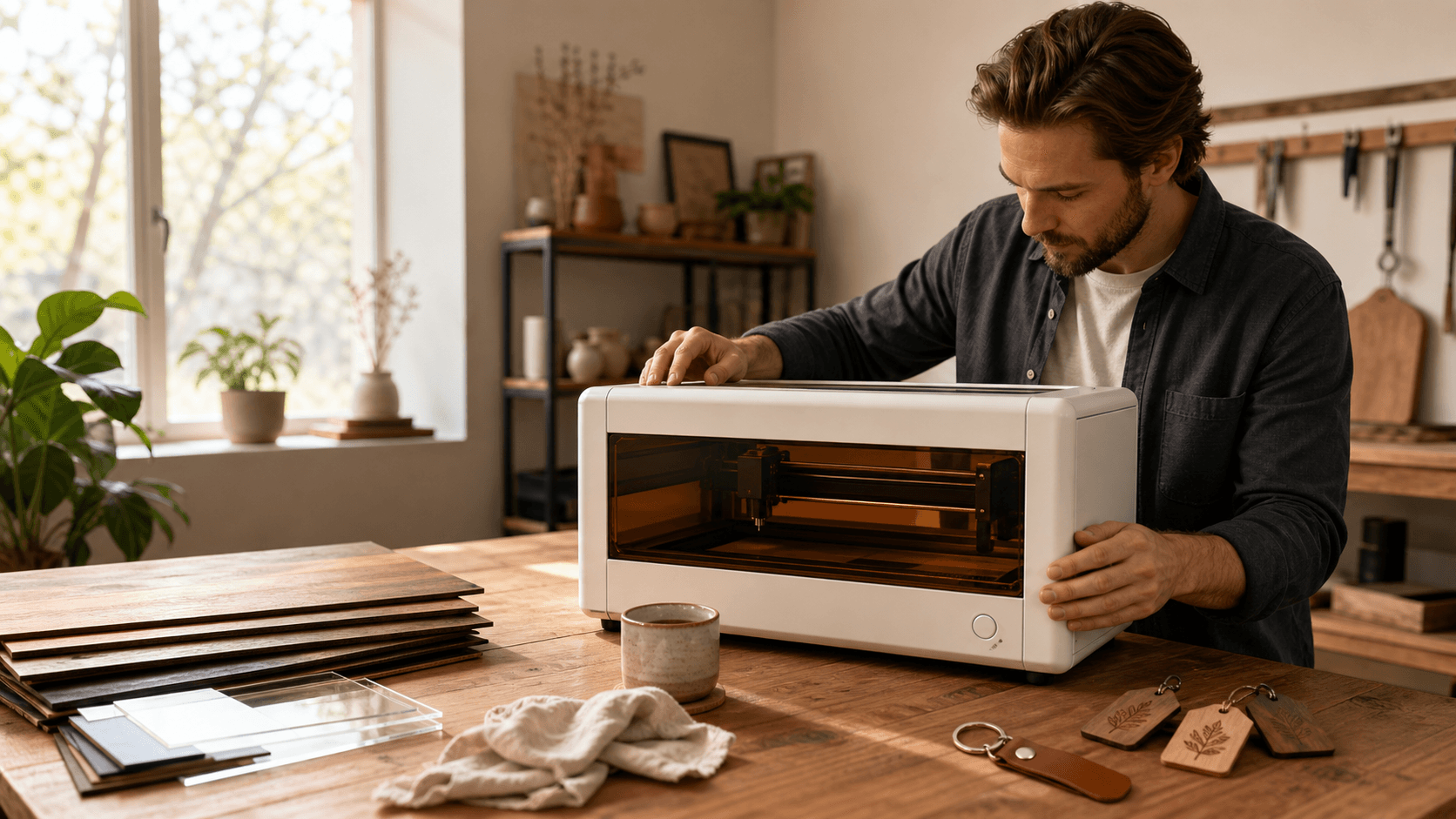
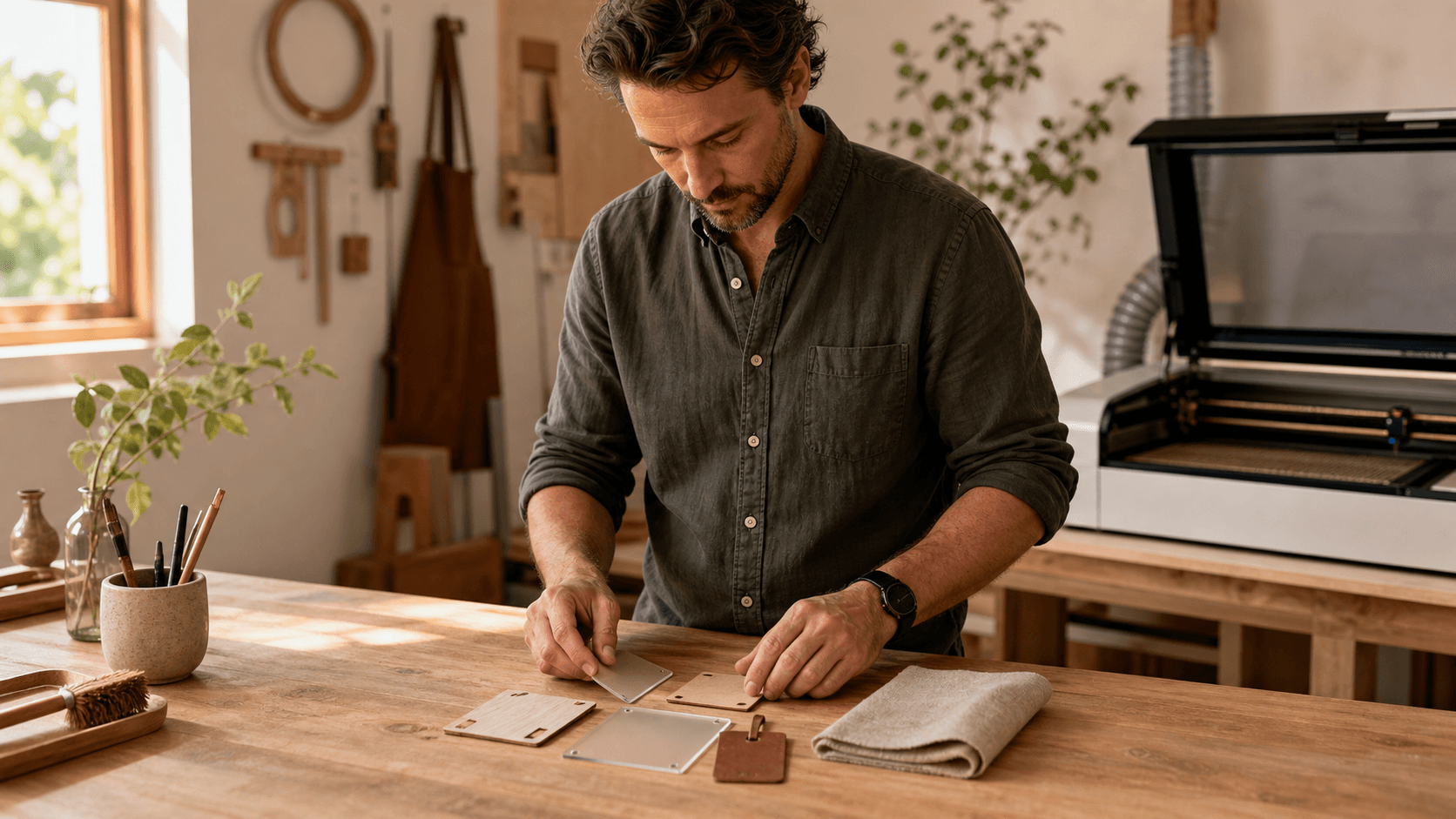
Laser cutting has become one of those quiet workhorses in Southern handmade life. It is hiding behind the engraved cutting board at your family fish fry, the leather patch on your favorite cap, the acrylic drink stirrer clinking around in your glass. If you care about handmade goods, it is worth knowing what is actually going on when a maker turns on that bright little dot of light and points it toward wood, acrylic, leather, or fabric.
In this guide, we want to pull the curtain back a bit. We will talk through how each material behaves under a laser, how that changes the look and feel of a finished piece, and why it matters for both makers and shoppers. At Main Street Collective, where we gather small-batch work from Southern makers, we see every day how material choice shapes the story of a piece just as much as the design does.
Why Material Choice Matters for Laser-Cut Handmade Goods
Laser cutting sounds high-tech, but in real life it feels simple. A focused beam of light moves over the surface and either cuts all the way through or just kisses the top to engrave. When a piece comes off the machine, you notice three things first: how the edges look, how it smells, and how the surface feels under your fingers.
Those details change a lot from material to material. The same design will come off a cutting board and a sheet of fluorescent acrylic looking like cousins, not twins. A wooden recipe board from a Mississippi woodworker carries warmth and grain and memory. A bright acrylic keychain feels playful and bold, easy to spot in the bottom of a bag. Both are fully handmade, but they tell different stories.
Here is why that choice matters:
- It affects durability and how long the piece will hold up in real life
- It controls how much detail the maker can get into tiny letters or artwork
- It sets the mood, from rustic and rooted to sleek and modern
- It connects to tradition, like leather next to boots and worn truck seats
At Main Street Collective, we work with makers who lean into these differences, from wood-heavy shops that love heirloom-style work to drinkware artists who use acrylic and engraving to make glassware feel personal and fun.
Working with Wood: Warmth, Grain, and Southern Tradition
Wood and lasers get along in a very particular way. The beam burns its way through, leaving a dark, sometimes slightly scorched edge. Grain lines show through engravings, and if you run your hand over fresh work, there is often a faint campfire smell that fades as the piece airs out.
Common woods you will see in handmade Southern work include:
- Birch plywood, light in color, great for crisp cuts and layered signs
- Walnut, dark and rich, beautiful contrast for engraving
- Maple, smooth and pale, perfect for clean lettering
- Oak, strong grain that adds personality to large signs
- Pine, softer and more rustic, good for pieces that welcome a bit of character
Engraved cutting boards, wall art, and recipe boards tend to last well if the maker chooses the right wood and finish. Oil or wax brings out the grain and helps resist moisture. Clear coats add protection for signs that sit in sunny windows or near busy doorways. Wood can warp if it gets soaked or heated unevenly, so most makers remind folks to treat these pieces gently and avoid dishwashers and long soaks.
Wood is usually the right choice when you want:
- Warmth and tradition, like a family recipe carved into a board
- A natural backdrop for meaningful dates, names, or prayers
- Something that looks right at home on a kitchen counter or living room wall
If you are after bright color, neon edges, or super fine, tiny cuts, another material may serve the design better. Wood is at its best when you let the grain and depth be part of the story.
Acrylic: Color, Glow, and Clean Lines
Acrylic is not trying to pretend it is wood or glass. It is its own thing: glossy, smooth, and sharp-edged in a good way. When a laser cuts acrylic, the heat melts and polishes the edge as it goes, so you get this shiny, almost glassy border. Engraving turns the surface cloudy or frosted, and clear pieces can catch light in a way that makes artwork glow.
Makers often choose between two broad types of acrylic. One is better for deep, smooth engraving, the other for super clean cutting. You do not have to know the chemistry to appreciate the result. You just notice that some acrylic pieces have rich, frosty engravings, while others lean into crisp outlines and perfect shapes.
Acrylic shines when a piece needs:
- Bright color or clear, glass-like transparency
- Thin, detailed shapes, like drink stirrers or charms
- Clean, modern signage for bars, offices, or events
- Matching accents for barware, keychains, and tags
It holds up well outdoors if it is thick enough and not stressed, but it can scratch if dragged across rough surfaces, and very thin pieces can snap if bent hard. Acrylic ages differently than wood or leather. It does not gather patina or soften. It stays pretty much what it was from day one, which is part of its charm.
Leather: Texture, Patina, and Pieces That Break In
Leather under a laser is a full sensory experience. There is that rich, smoky smell, darkened cut edges, and engraving that settles down into the grain instead of sitting on top like a printed layer. The beam slightly chars the surface where it engraves, which brings out deep, dark marks that feel right for rugged, everyday pieces.
Makers are careful about what they call leather. Real leather, from animal hide, behaves differently than many leather-like materials that are mostly plastic. Some faux leathers can give off unsafe fumes under a laser, so responsible makers stick with materials they know are safe and that will wear in, not wear out.
Leather is a favorite for items that are meant to be handled daily:
- Key fobs that ride around in pockets and purses
- Hat patches that stretch and flex with use
- Coasters that pick up a few ring marks and still look good
- Journal covers and bag tags that soften and crease over time
As leather pieces break in, the engraving becomes part of the patina, not just an image sitting on the surface. Scratches, sun, and use all blend together. If you want something that can live a hard-working life, feel better with age, and carry a story in every mark, leather is a smart choice over wood or acrylic.
Fabric and Fiber: Gentle Cuts, Layering, and Soft Details
Lasers handle fabric more carefully than harder materials. Makers run at lower power, often more slowly, and pay attention to any hint of scorching or melting. Cotton and wool felt tend to behave nicely, holding a clean edge. Some synthetic blends melt or curl, and certain fabrics can smoke more than others.
Common fabrics and fibers for laser work include:
- Cotton, for appliqués and quilt pieces
- Felt, for banners, ornaments, and soft tags
- Denim, for patches and bold shapes
- Canvas, for sturdy signs and totes
- Blends, tested carefully to avoid odd melting or fumes
Fabric laser work rarely stands alone. It is usually paired with sewing, quilting, or embroidery. The laser might cut out intricate shapes that would be a headache with scissors, then those shapes get stitched, layered, or framed. That mix is where a lot of Southern creativity shows up: patchwork wall art with wood frames, leather corners, and fabric layers, or banners that combine felt letters with engraved wooden accents.
Compared to wood and leather, fabric feels lighter and more playful. Compared to acrylic, it is softer, quieter, and more nostalgic. Fabric changes the mood of a piece, making it feel cozy, approachable, and often a little bit handmade in the best, most human way.
Choosing the Right Material for Your Story
When you put all four materials side by side, it helps to think of them like personalities. Wood is warm and familiar. Acrylic is bold and clean. Leather is lived-in and rugged. Fabric is soft and layered. None of them is automatically better than the others. They just fit different stories.
If you are picking out or commissioning a handmade piece, it can help to ask:
- Where will this live, and what will it sit next to?
- How often will it be handled, washed, or carried around?
- Do I want it to stay looking new, or to break in and gather patina?
- What story do I want it to tell about our home, our people, or our memories?
The makers we partner with at Main Street Collective think through these questions constantly, whether they are working in wood, acrylic, leather, fabric, or some mix of all four. In the end, handmade is not only about a human hand running the machine or sanding the edges. It is about the thought poured into every choice, right down to which material meets that narrow beam of light.
Discover Handmade Pieces That Tell Your Story
Bring the spirit of Southern craftsmanship into your everyday style with our curated collection of handmade accessories. At Main Street Collective, we carefully select each piece so you can feel confident that what you wear is thoughtfully made and truly one of a kind. If you have questions or need help choosing the right item, contact us and we will be glad to assist.
Frequently Asked Questions
What is laser cutting and how is it different from laser engraving?
Laser cutting uses a focused beam of light to cut all the way through a material. Laser engraving uses the same beam at different settings to mark or etch the surface without cutting through.
Why does material choice matter for laser cut handmade goods?
Different materials change the edge look, surface feel, and even the smell right after production. Material also affects durability, the level of detail possible, and whether a piece feels rustic and traditional or sleek and modern.
What types of wood work best for laser cutting and engraving?
Common choices include birch plywood for crisp cuts, walnut for rich contrast, maple for clean lettering, oak for strong grain, and pine for a more rustic look. Wood often shows grain through the engraving and can have darker, slightly scorched edges from the laser.
How do I care for a laser engraved cutting board or wooden sign?
Avoid dishwashers and long soaks, since wood can warp when it gets soaked or heated unevenly. Using oil or wax helps resist moisture, and a clear coat can add protection for signs exposed to sunlight or high traffic areas.
What is the difference between laser cut wood and laser cut acrylic?
Laser cut wood typically has darker, burned edges and visible grain that gives it warmth and a traditional feel. Laser cut acrylic is glossy and smooth with clean lines, and it is often chosen for bold color and a modern look.